
Depositing at a new casino should never be a leap of faith. With a focused 20-minute audit, you can quickly separate solid operators from shaky ones. Below is a practical, step-by-step process you can apply to any brand. We’ll reference B7 as a running example of what to look for, but the method works universally. The goal: confirm licensing, payment reliability, fair games, and transparent rules before you risk a single dollar.
1) Confirm the license and who actually operates the site (3 minutes)
- Scroll to the footer. Look for a registered company name, a license number, and the regulator (e.g., Malta, Gibraltar, Isle of Man, Curaçao).
- Click through to the regulator’s site or database to verify the license number. If the license info is only an image with no external verification, treat it as unverified.
- Check the site’s Terms & Conditions for the legal entity and jurisdiction. Make sure the entity name matches what’s in the license, and that your country is allowed.
Why it matters: the license dictates dispute resolution, AML (anti–money laundering) procedures, and minimum standards. If the license check fails or details are inconsistent, don’t proceed.
2) Payments: speed, limits, and fees (4 minutes)
- Open the Payments/Banking page. Note minimum deposit/withdrawal amounts, processing times, and any fees on withdrawals.
- Look for your preferred method (card, e-wallets, bank transfer, crypto). Check whether withdrawals must return to the original deposit method—common but important.
- Scan for daily/weekly withdrawal caps. A low cap with no VIP path to higher limits can be frustrating.
Quick test you can do later: make a small deposit, then request a withdrawal without bonuses attached to see how quickly the first cashout arrives. First withdrawals often trigger KYC; that’s normal, but timelines should be clear in the FAQ.
3) Game library, providers, and RTP transparency (3 minutes)
Variety isn’t enough—seek quality and clarity. You want well-known studios with stable engines and published RTP. Some providers offer multiple RTP versions of the same slot; casinos may choose lower versions. Transparency here is a trust signal.
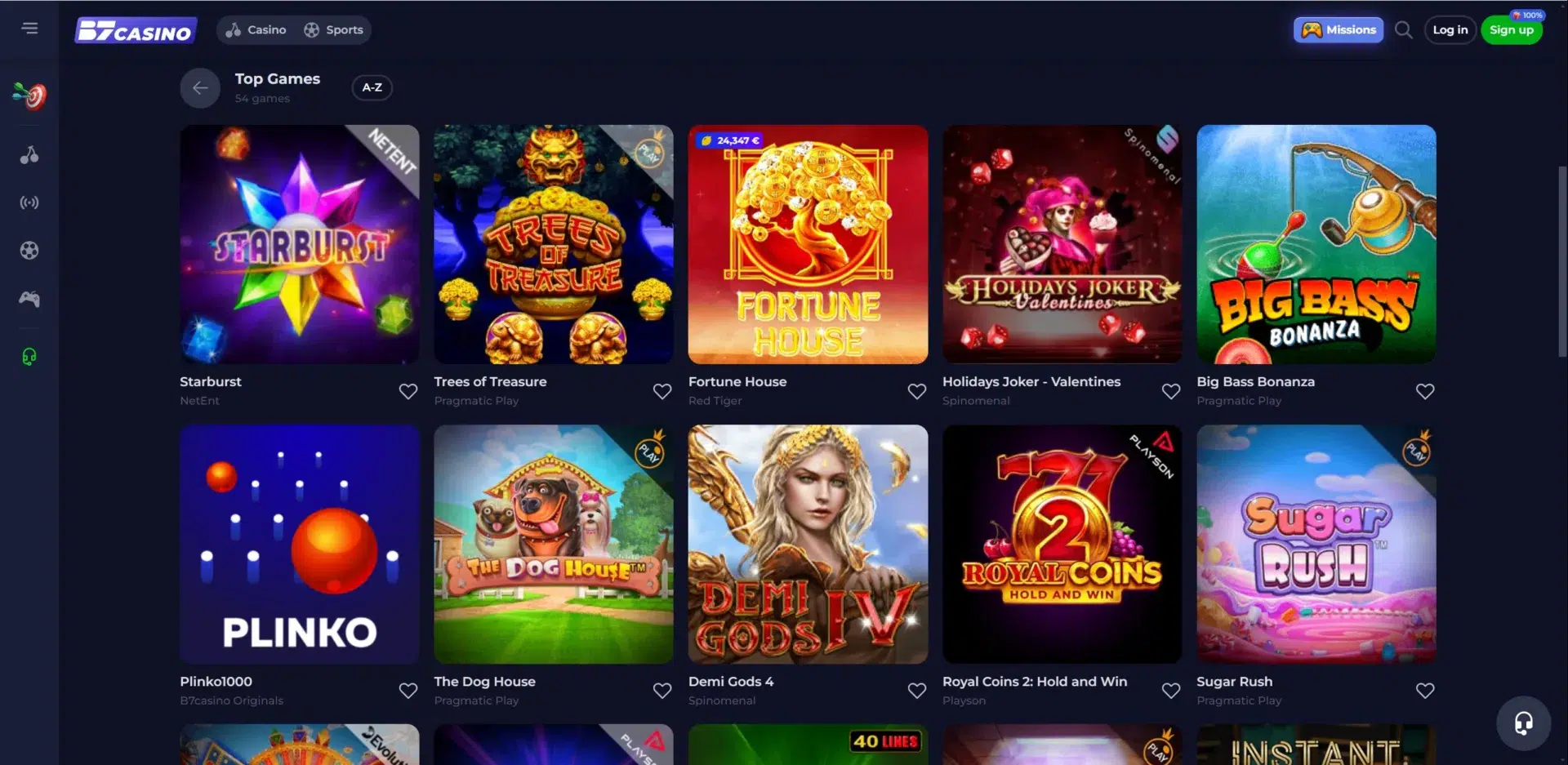
- Open popular categories (slots, live games, table games) and check which studios are featured.
- Look for a way to view RTP in-game or on the site. If hidden or consistently very low, consider it a red flag.
- Test demo mode where available to inspect rules, volatility, and features without spending.
4) Bonuses that actually help you—not trap you (4 minutes)
Promotions can be great, but only if the small print is fair. Examine these terms:
- Wagering requirement: Look for 20x–40x on bonus funds; higher is harder to clear. Anything above 50x is rarely worth it.
- Game contribution: Slots often count 100%, but table games or live dealer may be 10% or excluded entirely.
- Max bet while wagering: A common cap is $5. Exceeding it can void winnings—watch out.
- Time limit: 7–14 days is typical. Too short means rushed play and mistakes.
- Sticky vs. cashable: Sticky bonuses subtract the bonus from your withdrawable balance at the end. Cashable ones let you keep bonus-derived winnings.
Quick expected value reality check: If a 100% match up to $100 carries 35x wagering on the bonus ($3,500 turnover) and you play slots with a 4% house edge, your theoretical loss during wagering is $140 (0.04 × $3,500). The upside is variance; you may win big, but on average, this bonus isn’t “free money.” Use bonuses if you enjoy extended playtime and accept the math.
5) Security, account controls, and KYC readiness (2 minutes)
- Check for SSL (https) and a recent privacy policy. Look for two-factor authentication in the account settings.
- Scan the Responsible Gaming page: deposit limits, loss limits, time-outs, self-exclusion, reality checks, and session timers should be easy to set.
- Prepare documents for KYC: government ID, proof of address, and (sometimes) source of funds. Quality casinos state KYC requirements upfront and give timelines.
6) Support test: ask tough but fair questions (2 minutes)
Open live chat or email and ask targeted questions. You’re not trying to be difficult—just verifying clarity and responsiveness:
- “Can you link me to your RTP page or explain how I can see RTP in-game?”
- “What’s the average first-withdrawal time for cards and e-wallets, and what documents do you need?”
- “Is my bonus sticky or cashable? What’s the bet cap while wagering?”
Score the responses for accuracy, tone, and turnaround. A knowledgeable support team is a green flag.
7) Mobile experience and friction points (1 minute)
- Load the site on your phone. Try a demo game. Check load times and layout stability (no shifting buttons mid-tap).
- Confirm quick access to cashier, bonuses, and support. If basic actions feel clunky on mobile, the experience will likely frustrate you under pressure.
Green flags vs. red flags
| Green Flags | Red Flags |
|---|---|
| Verifiable license number linked to a regulator database | License image with no verification link; mismatched company names |
| Clear payment limits, fees, and withdrawal timelines | Hidden fees, vague timelines, hard caps with no exceptions |
| Reputable providers and visible RTP information | Unknown studios only; no RTP or obviously reduced RTP versions |
| Fair bonus terms (reasonable wagering, bet cap, time) | High wagering, ambiguous terms, surprise exclusions |
| Responsiveness from support with specific answers | Scripted replies, evasive answers, slow or no response |
| Robust responsible gaming tools and 2FA | No limit tools, no time-outs, weak security |
Quick visual check
If you prefer a fast look before diving deeper, here’s a short clip and a library snapshot to set expectations.
A 20-minute walk-through you can copy
- Minutes 1–3: Find the license in the footer, verify the company and license number against the regulator’s database. Read the T&Cs for country restrictions.
- Minutes 4–7: Open the Payments page, note minimums, fees, and cashout caps. Look for first-withdrawal KYC details and typical timelines.
- Minutes 8–10: Skim the game lobby. Confirm at least a few top-tier studios. Open a demo, locate RTP and rules.
- Minutes 11–14: Study the welcome bonus T&Cs. Identify wagering, contribution, max bet, expiry, and whether it’s sticky. Decide if you’ll deposit with or without the bonus.
- Minutes 15–17: Check the Responsible Gaming page and account settings. Enable 2FA if available. Verify session tools and limits.
- Minutes 18–20: Contact support with two specific questions (RTP visibility and first-withdrawal docs). Note response quality and speed.
Optional next step: make a small deposit without a bonus, place a few low-stakes bets, and request a partial withdrawal. Track how long it takes and whether extra documents are requested. This single test tells you more about a casino’s reliability than any marketing claim.
Applying the checklist to B7
When you apply the steps above to B7, you’re looking for the same fundamentals: verifiable license details, clear payment rules, reputable studios, transparent bonus terms, and a support team that can answer specific questions. Use the 20-minute walk-through to confirm each box, and only then consider a deposit. If you want to start that review now, open the site here: https://b7-casino.bet/.
Bottom line: Don’t skip the quick audit
Impulse deposits lead to buyer’s remorse. A short, structured audit protects your time and money. If three or more red flags show up—unclear license, hidden payment fees, opaque RTP, or evasive support—walk away. There are plenty of casinos that meet basic standards and respect players. When a site passes the checklist, start small, verify a withdrawal, and scale your play only after the first cashout lands without friction. That’s how you turn a risky guess into a confident choice.